Source portable ceramic gua sha board for Face, Neck, and Body
Compare 30 listings of portable ceramic gua sha board from verified Chinese manufacturers. Buyers can evaluate MOQs, sample times, and customization options for facial and body massage tools.
Key considerations
Products List





Comprehensive Sourcing Guide
Strategic Sourcing Guide for Portable Ceramic Gua Sha Boards
Understanding Product Specifications and Material Integrity
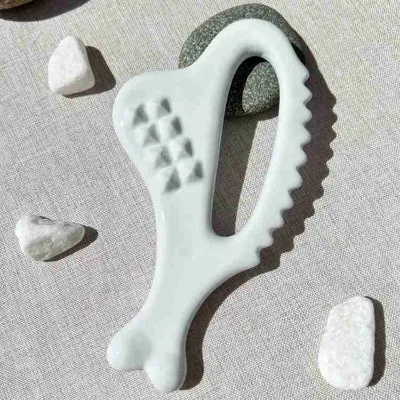
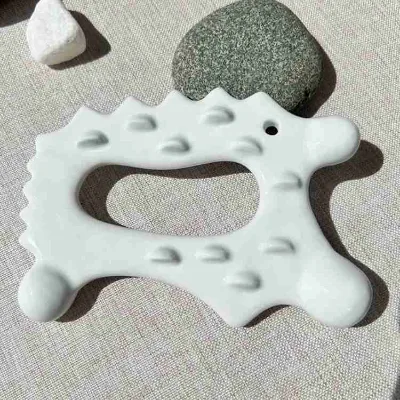
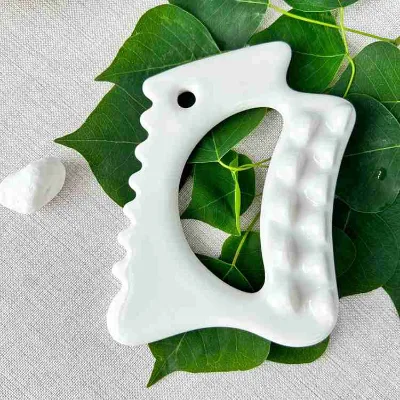
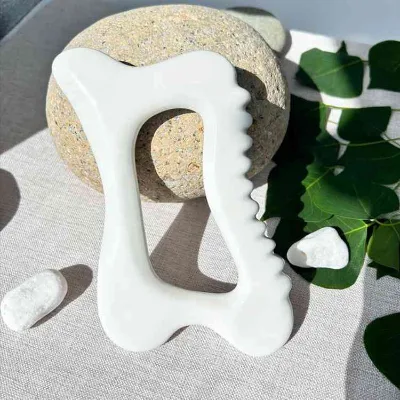
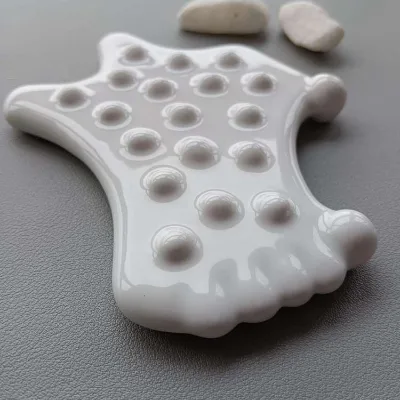
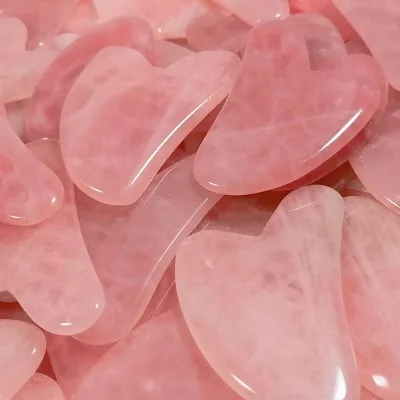
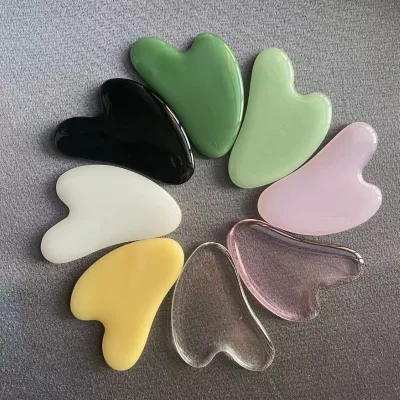
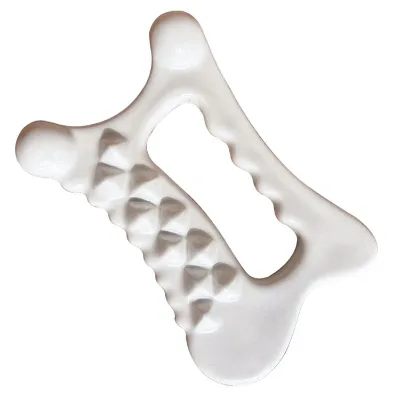
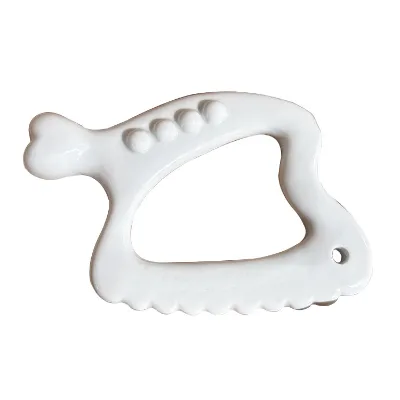
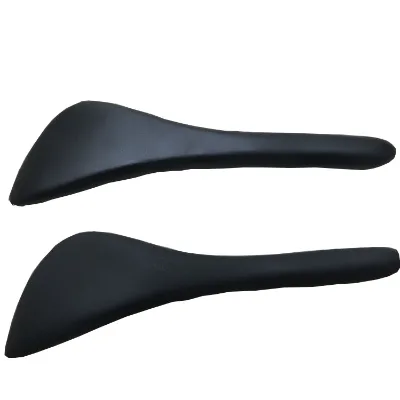
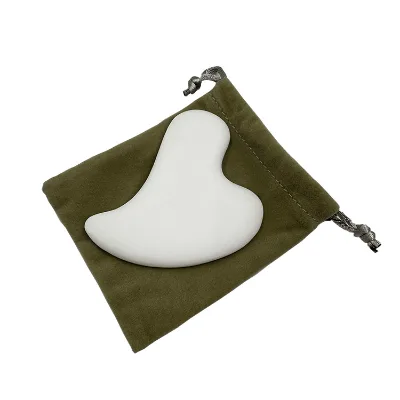
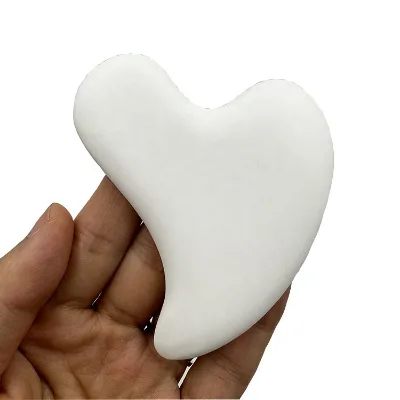
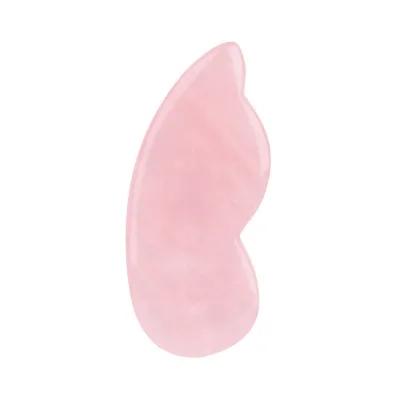
When sourcing portable ceramic gua sha boards, the primary focus must be on the material composition and physical dimensions that define the tool's efficacy and safety. Based on available market data, the core material for these devices is consistently identified as ceramic, with specific variants utilizing rose quartz or standard ceramic formulations. The physical attributes vary significantly across different listings, indicating a need for precise specification alignment. For instance, observed sizes range from approximately 80mm to larger dimensions of 15cm or 20cm, with some specific models measuring 10.97.42.1cm. The shape is equally diverse, ranging from standard ergonomic forms to specific designs like heart shapes, with the shape often described as "as picture" to accommodate custom molds.
The weight of the individual unit is a critical factor for portability and user experience. Data indicates a single gross weight of 0.500 kg for certain standard packages, while other specific items, such as the Faye brand model, weigh 133g. This variance suggests that buyers must explicitly define the desired weight range during the inquiry phase to ensure the product meets their logistical and functional requirements. Furthermore, the single package size can vary from 15x15x15 cm to 20x20x20 cm, which directly impacts shipping costs and storage efficiency. The model numbers associated with these products, such as CAC001, TM003, and YJ039, serve as unique identifiers for specific production runs, and buyers should request these codes to ensure consistency in future reorders.
Compliance, Certification, and Environmental Standards
In the B2B procurement of beauty and wellness tools, verifying environmental and safety compliance is paramount. The supplied product information frequently highlights the "Eco-friendly" nature of the ceramic gua sha boards, with specific mentions of eco-friendly body massage tools and customized logo options. However, while the term "Eco-friendly" is present in the attribute descriptions, specific certification standards (such as ISO 14001 or specific FDA approvals for cosmetic devices) are not explicitly detailed in the provided facts. Therefore, buyers must treat the "Eco-friendly" claim as an observation of the product's marketing description rather than a verified certification status.
Procurement teams should verify the material safety of the ceramic used. Since the material is listed as "ceramic" and "rose quartz," the sourcing strategy must include requests for material safety data sheets (MSDS) or compliance reports confirming that the glazes and firing processes do not release harmful heavy metals. The origin of these products is primarily traced to Guangdong, China, and Zhejiang, China. While these regions are established manufacturing hubs, the lack of specific certification data in the general product listings necessitates a rigorous supplier audit. Buyers should explicitly ask suppliers to provide third-party test results for lead content and cadmium levels, ensuring the product meets the import regulations of the target market, whether it be the EU, North America, or Asia. The "Online technical support" mentioned in some listings suggests a level of after-sales service, but this should be distinguished from product safety certifications.
Cost Drivers and Pricing Dynamics
The pricing structure for portable ceramic gua sha boards is influenced by several variables, including material quality, customization levels, and order volume. The observed listed price range in the market spans from 0.2 USD to 7.8 USD. This wide disparity indicates that the base cost is highly sensitive to the specific model, branding, and finish. Lower-priced items likely correspond to standard, non-customized ceramic boards with minimal packaging, while higher-priced items may include premium branding, specialized shapes like the heart-shaped rose quartz variants, or more complex packaging solutions.
A significant cost driver is the Minimum Order Quantity (MOQ). The market data shows an MOQ range from 1 piece to 3000 pieces. Some suppliers offer an MOQ of just 1 piece, which is ideal for sampling or small boutique orders, while others require 5 pieces, 10 pieces, or up to 3000 pieces for bulk production. The "Selling Units" are often listed as "Single item," but the "Packaging Details" reveal that standard bulk packing involves 50 pieces per carton with bubble filling. The carton size is noted as 30x30x25mm (likely a typo in source data, as this is smaller than the product, but the concept of bulk cartonization is clear). Buyers must calculate the total landed cost, which includes the unit price, the MOQ commitment, and the shipping volume based on the single package size (e.g., 15x15x15 cm or 20x20x20 cm). The "Supply Ability" of 1,000,000 pieces per day suggests that volume discounts are likely available for large orders, but the specific tiered pricing structure is not provided in the source text and must be negotiated directly.
Typical Applications and Functional Versatility
The application of portable ceramic gua sha boards extends beyond a single use case, offering versatility for facial, body, and therapeutic applications. The product attributes list applications ranging from "Face" to "Body," with specific mentions of "Body Massager & Gift" and "Blood Pressure Regulation." While the latter claim regarding blood pressure regulation is a functional assertion found in the product descriptions, it should be treated with caution and verified through clinical evidence or supplier documentation before being used in marketing materials. The primary function is consistently described as "Massage relax," targeting the face, neck, and body.
The versatility is further enhanced by the availability of customized shapes and logos. Suppliers indicate that "Customized Logo" and "Customized Packaging" are welcome, allowing brands to tailor the product for specific marketing campaigns or gift sets. The "Musical function" mentioned in one listing is an unusual attribute for a gua sha board and may indicate a specific, perhaps novelty, product variant or a data error; buyers should clarify this feature to ensure it aligns with the core product definition. The "Accept" status for OEM and ODM services confirms that manufacturers are willing to adapt the product for different brand identities, making these tools suitable for private label strategies. The "After-sale service" of online technical support adds a layer of value, suggesting that suppliers are prepared to assist with usage questions or minor defects, though the scope of this support should be defined in the contract.
Supplier Evaluation and Operational Logistics
Evaluating suppliers for ceramic gua sha boards requires a focus on their logistical capabilities and production reliability. The primary ports of dispatch are Shenzhen, and the places of origin are Guangdong and Zhejiang, China. These locations are strategic for export, but buyers must confirm the specific port for their contract to accurately calculate freight costs. The lead time is a critical operational metric, with observed ranges of 15-30 days for production and 3-5 days for sample preparation. However, one listing mentions a sample time of 15 days, indicating that sample lead times can vary significantly depending on the supplier's current workload and the complexity of the customization.
The "Sample time" of 3-5 days for "ceramic gua sha korean" style products suggests a faster turnaround for specific regional styles, but the 15-day sample time for other models highlights the need for early planning. Buyers should establish a clear timeline that accounts for the longer lead times to avoid stockouts. The "Supply Ability" of 1,000,000 pieces per day is a strong indicator of a manufacturer's capacity to handle large orders, but it is essential to verify if this capacity is dedicated to the specific product line or if it is shared across multiple product categories. The "Single gross weight" of 0.500 kg and 1.000 kg for different models must be used to calculate the total shipment weight, which affects freight rates. Additionally, the "Packaging Details" noting "50pcs per carton with bubble filled" is a standard protective measure, but buyers should confirm if this packaging meets their specific retail requirements or if they need to request custom packaging solutions.
Quality Control and Long-Term Procurement Considerations
Maintaining quality control for ceramic products involves rigorous inspection of the material finish and structural integrity. Ceramic is prone to chipping or cracking if not fired correctly, so buyers should implement a quality control plan that includes visual inspections for surface defects, glaze consistency, and edge smoothness. The "Eco-friendly" claim should be backed by documentation, and the "Rose quartz" material should be verified to ensure it is genuine and not a synthetic substitute if that is a key selling point. The "Model Number" consistency is vital for long-term procurement; ensuring that the model number (e.g., CAC001, TM003, YJ039) remains constant across production batches will prevent confusion in inventory management.
For long-term procurement, establishing a relationship with a supplier that offers OEM and ODM capabilities is advantageous. This allows for brand differentiation through customized logos and packaging, which can be crucial for building a loyal customer base. The "Customized Logo" and "Customized Packaging Available" options should be leveraged to create a unique market presence. However, buyers must be mindful of the "MOQ" variations; while some suppliers accept 1 piece, others require 10 or 5 pieces per stone. For long-term contracts, negotiating a lower MOQ for reorders or a tiered pricing structure based on volume can optimize cash flow. The "Online technical support" provided by some suppliers can be a valuable resource for resolving quality issues, but a formal warranty or return policy should be established in the purchase agreement to protect against defective batches. Finally, the "Application" diversity, from facial to body massage, suggests that a single supplier can serve multiple market segments, but buyers should ensure the product specifications align with the specific regulatory requirements of each target market.
FAQs
What is the minimum order quantity for portable ceramic gua sha boards?
The minimum order quantity ranges from 1 piece to 3000 pieces depending on the supplier. Some vendors accept orders as low as one unit for sampling, while others require ten pieces per stone or up to five pieces for specific ceramic models.
How long does it take to receive samples of portable ceramic gua sha boards?
Sample preparation typically takes between 3 to 5 days for standard Korean style tools. However, some specific models or customized requests may require up to 15 days to complete the sample production and quality check process.
Which materials are used to manufacture portable ceramic gua sha boards?
These boards are primarily made from ceramic, with some variants utilizing rose quartz. The material is described as eco-friendly, and specific models like the heart shape guasha board are explicitly noted as being made from rose quartz.
Can I customize the logo and packaging for portable ceramic gua sha boards?
Yes, customized logos and packaging are welcome for most suppliers offering these tools. Manufacturers accept OEM and ODM services, allowing buyers to request specific branding and packaging solutions such as bubble-filled cartons or custom designs.
What is the typical lead time for bulk orders of portable ceramic gua sha boards?
The standard lead time for production is between 15 to 30 days. This duration applies to bulk manufacturing of ceramic face tools, though specific timelines may vary based on order volume and customization requirements.
Where are portable ceramic gua sha boards typically manufactured and shipped from?
These products originate from manufacturing hubs in Guangdong and Zhejiang, China. The primary port of dispatch for shipments is Shenzhen, facilitating export logistics for international buyers sourcing these facial and body massage tools.
What are the common dimensions and shapes of portable ceramic gua sha boards?
Sizes vary from approximately 80mm to 20cm, with specific models measuring 10.9 by 7.4 by 2.1 cm. Shapes include standard ergonomic forms and specific designs like heart shapes, often described as matching the provided picture.